6 April 2026 Bill Cooke and Andy Watson: Do we need electoral reform?

Speakers: Andy Watson was born in Birkenhead. After leaving school, he attended KGV College in Southport, then the Liverpool John Moores University, and later the University of Central Lancashire. Andy came to live in Warrington in 1997. For over twenty seven years Andy has worked for a major UK Bank. He has been married to Carole for nearly twenty three years. Bill Cooke is president of the Warrington Lit & Phil and author of eight books, the most recent being H G Wells and the Twenty-first Century (Liverpool University Press, 2023).

Synopsis: Since the late 19th Century, the United Kingdom has used a Winner-Takes-All Electoral System known as First Past The Post (FPTP), mainly with single-member electoral districts. Andy will argue that FPTP is flawed and will make the argument that we should make the switch to a system of Proportional Representation (PR). Bill Cooke will make the case for the retention of the present system.
2 February 2026 Daniel Hurt: Why philosophy matters in medicine

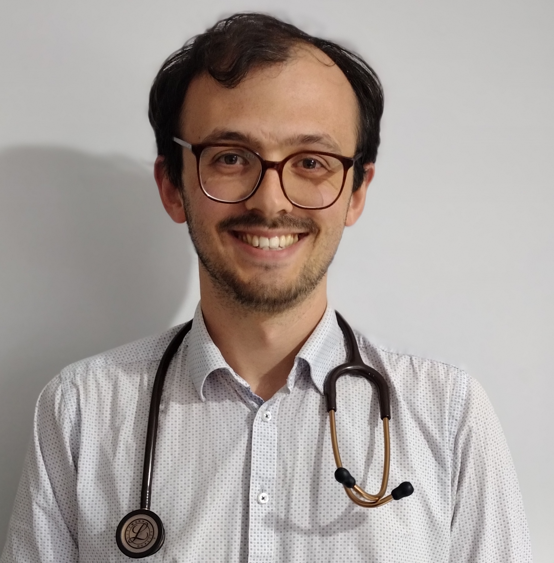
Dr Daniel Hurt

Speaker: Dr Daniel Hurt is a GP registrar at Stockton Heath Medical Centre and will shortly qualify as a General Practitioner. He first became involved in philosophy while studying at the University of Cambridge, where he ran the main student philosophy society for several years.

After moving from Saddleworth and founding another group, he now leads the Halton Amateur Philosophy Society. His interests range from the philosophy of medicine and psychiatry to broader questions in metaethics and the philosophy of religion. Having previously worked at Warrington and Oldham hospitals, Daniel is now settled in Sandymoor with his wife and their two young children, and values opportunities to bring people together in thoughtful discussion.

Synopsis: This talk examines what it means to be healthy and how medicine can risk turning normal life into illness. We will explore competing definitions of health and the challenges of overdiagnosis and medicalisation. We will consider how diagnostic labels can clarify or complicate people’s lives, shaping both understanding and identity. Finally, we will look at how belief, expectation, and the doctor–patient relationship influence healing through placebo and nocebo effects.

.

1 December 2025 Rachael Wiseman: Are you a metaphysical animal?

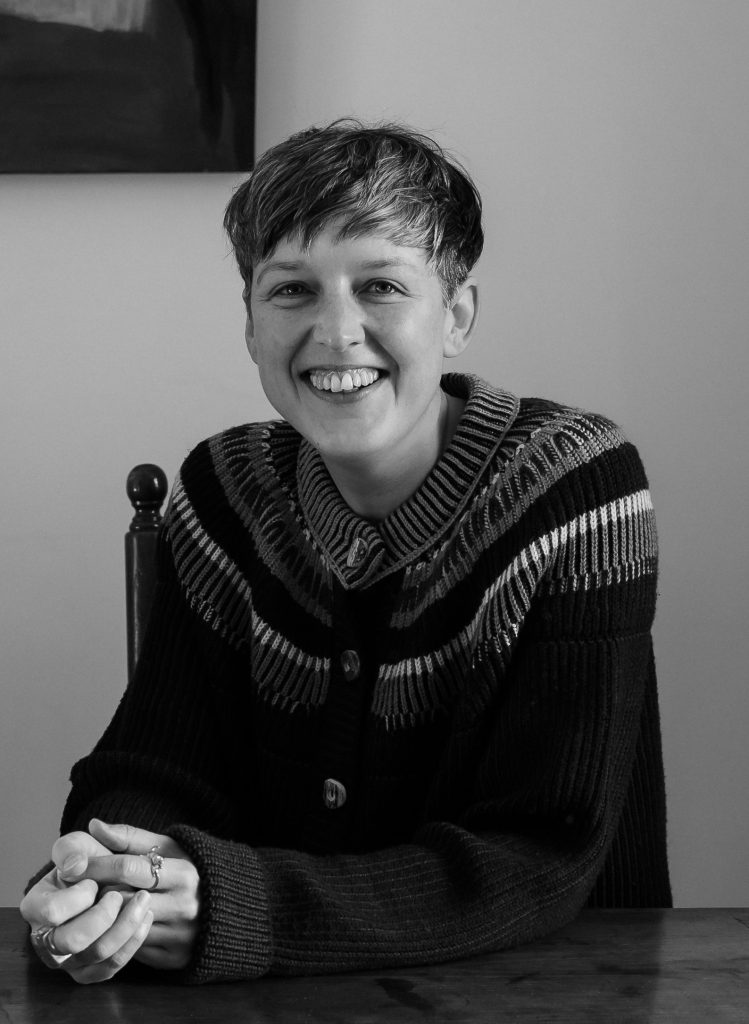
Rachael Wiseman

Venue: Friars Green Methodist Church, Cairo St, Warrington.
7.00pm for 7.30pm start.
Free to Lit & Phil members, £5.00 for visitors.

Speaker: Rachael Wiseman is a Reader in Philosophy at University of Liverpool. She writes on ethics and philosophy of mind and action, and is an associate editor at the British Journal for the History of Philosophy. Along with Clare Mac Cumhaill, she is the author of Metaphysical Animals: How four women brought philosophy back to life and directs the website www.womeninparenthesis.co.uk.

Synopsis: The history of European philosophy is often the story of the ideas, visions, hopes and fears of men – men, who, in the main, wrote their philosophy in the comfort and seclusion of the ‘ivory tower’. Few people can name a female philosopher; fewer still would look to philosophy for help with the practical business of life. This talk tells the story of four incredible women philosophers who met at Oxford during World War II and who developed their philosophy in response to the practical problems faced by a generation coming to terms with the holocaust, atomic weapons, and accelerating social and technological change. Central to the philosophy of Iris Murdoch, Philippa Foot, Mary Midgley and Elizabeth Anscombe, is the idea that we are metaphysical animals. This talk will explain and explore that idea, while also presenting a hidden history of twentieth century intellectual culture, one to which the contributions of women and refugee scholars are central.

3 November 2025 Andy Green ‘Warrington in poetry, prose, rhyme and song’

Speaker: Andy Green is a writer, broadcaster and local history enthusiast, who is actively involved in promoting Warrington’s arts, culture and heritage scene. A self-proclaimed lover of ‘all things Warrington’, Andy served as Chairman of Warrington History Society from 2018 to 2024, making him the longest serving Chair in the Society’s history. Since 2017, he has been co-presenting Radio Warrington’s Culture Show every Thursday evening (repeated on Sunday mornings) interviewing musicians, poets, actors, historians, dancers, painters, curators, local dignitaries, archivists and more. “Everyone has a story to tell”, says Andy, “and helping people to tell their stories, or sharing their work for others to enjoy, is a great privilege.”

Synopsis: An entertaining multi-media talk looking at some of the poetry, prose, rhyme and song inspired by the town of Warrington or written by its townsfolk over the years. Informative and revealing in equal measure, the talk features material from the 16th century to the present day and provides an interesting perspective on the town’s history, as seen through the eyes, pens and music of some of Warrington’s most talented creatives. The talk features Lancashire’s oldest known ballad, words from a woman who in 1779 was described as one of Great Britain’s nine living muses, and extracts from what was, when published, Britain’s longest poem, all of which have firm Warrington connections. It’s not all highfalutin however: beer, rugby league, spousal disagreements, industrial accidents and peep shows all are mentioned.

6 October 2025, Bill Cooke: Can we be optimistic about the future?

Speaker: Dr Bill Cooke is president of the Warrington Lit & Phil, author of eight books and editor of the peer-reviewed journal The Wellsian. He has just finished a manuscript on the theme of optimism and pessimism.

Synopsis: The pace and scale of events are leading many people to a pessimistic assessment of our prospects. And yet there is a large body of literature assuring us we live in the best of times, where violence and poverty have fallen to levels unparalleled in history. So should we be optimistic or pessimistic about the future. Bill Cooke offers a new way to look at this conundrum.