
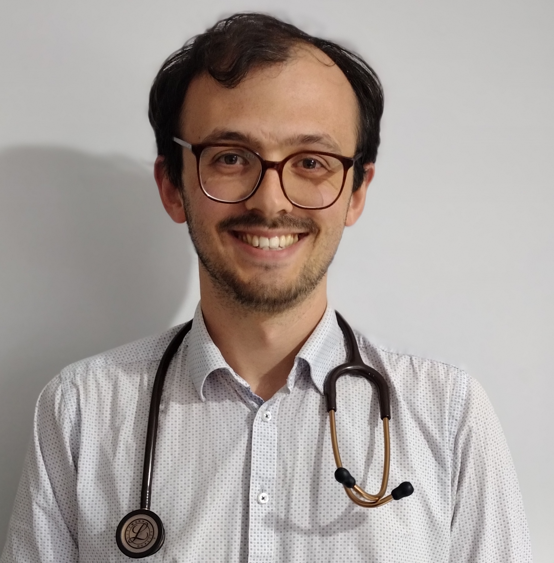
Speaker: Dr Daniel Hurt is a GP registrar at Stockton Heath Medical Centre and will shortly qualify as a General Practitioner. He first became involved in philosophy while studying at the University of Cambridge, where he ran the main student philosophy society for several years.
After moving from Saddleworth and founding another group, he now leads the Halton Amateur Philosophy Society. His interests range from the philosophy of medicine and psychiatry to broader questions in metaethics and the philosophy of religion. Having previously worked at Warrington and Oldham hospitals, Daniel is now settled in Sandymoor with his wife and their two young children, and values opportunities to bring people together in thoughtful discussion.
Brief Synopsis: This talk examines what it means to be healthy and how medicine can risk turning normal life into illness. We will explore competing definitions of health and the challenges of overdiagnosis and medicalisation. We will consider how diagnostic labels can clarify or complicate people’s lives, shaping both understanding and identity. Finally, we will look at how belief, expectation, and the doctor–patient relationship influence healing through placebo and nocebo effects.
Full talk synopsis:
Speaker: Dr David Hurt GP Registrar at Stockton heath surgery.
Subject: Philosophy matters in medicine
He saw philosophy as a battle against bewilderment. Why do we do diagnosis, can it cause harm, is it linked to people’s expectations?
The prevalence of ill health has increased by the age of 65 by which time the majority of people will have some diseases. The World Health Organisation defined health as a state of complete physical and mental wellbeing. How realistic is this for the great majority of people? It is difficult to distinguish between normal processes and disease. MRI hugely extends the number of conditions that can be picked up. The WHO manual of diagnosis identifies 50,000 to 85,000 conditions.
A diagnosis can be either explanatory or diagnostic, with many in the grey zone in between. Part of the purpose of diagnosis is to provide explanations to patients, and this seems to be what the majority of patients want.
Diagnosis of issues such as mental health or autism and many other conditions is particularly difficult. It is important that the patient does not lose agency if they are going to have a chance to improve their condition.
Deciding whether a particular improvement is because of any treatment is difficult. In the placebo effect a person’s physical or mental health ca improve after receiving a sham treatment. The nocebo effect causes harmful or negative side effects from inert treatments due to negative expectations. Placebos are thought to have an effect in 80 % of cases of depression, 50% of cases of lower back pain and up to 30% in Parkinsons.
The speaker illustrated the power of the nocebo effect by the story of a builder who jumped off a roof and through a nail. He was in terrible pain until it was discovered that it had missed his foot.
In many cases, the patient has gone to the doctor at the worst point of the illness, and the healing power of the body cures it without intervention.
.